



Understanding Muscle Soreness
Muscle soreness is a prevalent and often unavoidable experience for individuals engaging in physical activities. It is important to distinguish between different types of muscle soreness to address its underlying causes effectively. Acute soreness refers to the immediate discomfort felt during or right after exercise, typically due to muscle fatigue, strains, or minor injuries. This form of soreness usually subsides within a few hours or days, depending on the intensity of the physical activity.
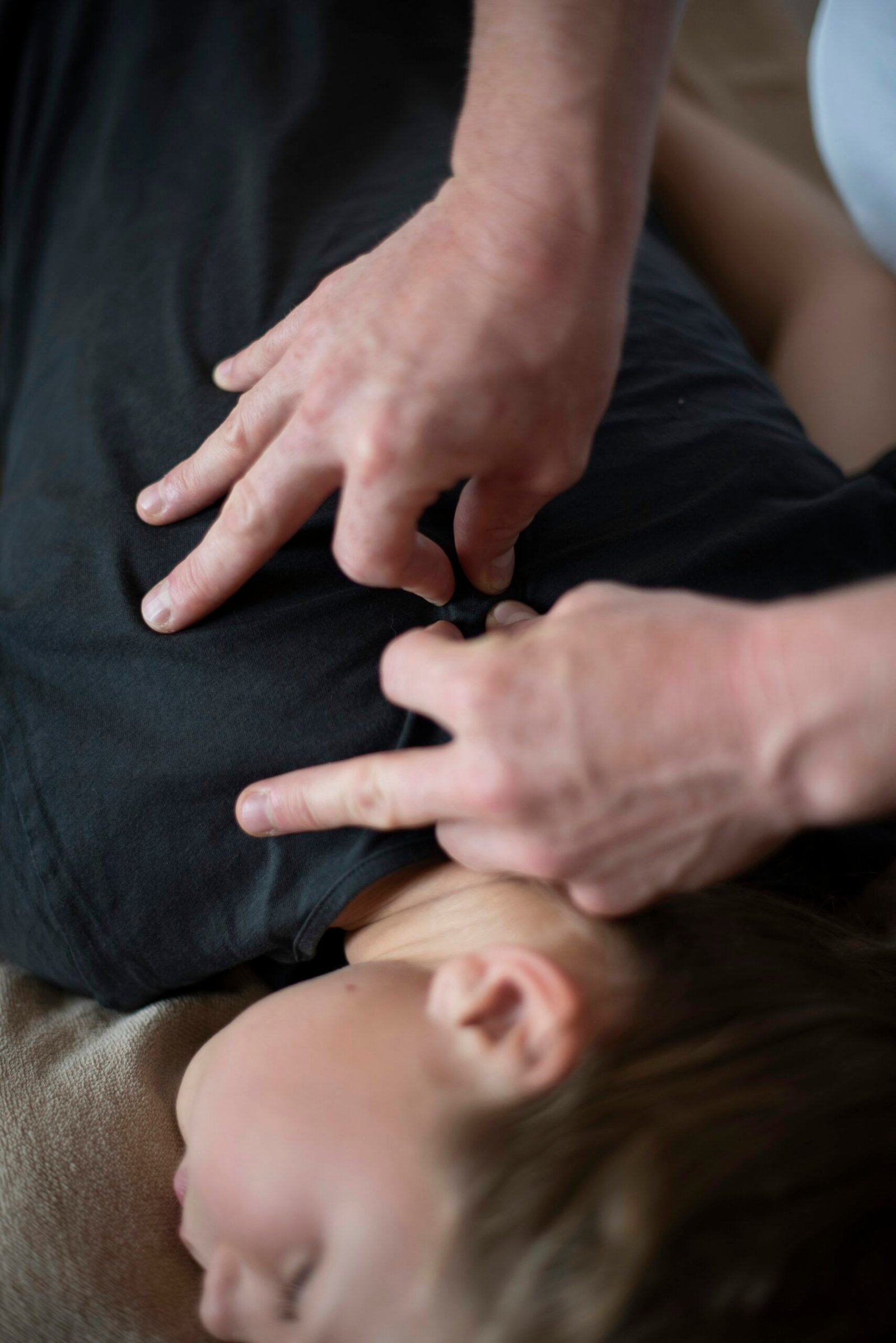
On the other hand, delayed-onset muscle soreness (DOMS) manifests 12 to 24 hours post-exercise and can last for several days. It is a result of microscopic damage to muscle fibers, often occurring with strenuous activities or exercises that individuals are not accustomed to. Factors contributing to DOMS include eccentric muscle contractions, overuse, or sudden increases in exercise intensity. While it is a normal part of the muscle recovery process, excessive soreness could indicate overtraining or a need for a modified routine.
Chronic muscle pain, unlike acute soreness or DOMS, persists for months and may indicate underlying conditions such as tendonitis, muscle strains, or fibromyalgia. Chronic pain often culminates from repetitive motion injuries, poor posture, or inadequate recovery after intense training. When experiencing chronic soreness, it is crucial to seek professional medical advice to discern the appropriate treatment or lifestyle changes required.
Self-treatment for acute soreness or DOMS can often be managed at home through rest, ice application, stretching, and over-the-counter analgesics. However, one should consider consulting a healthcare professional if muscle soreness is severe, persistent, or accompanied by swelling or bruising, which may indicate a more serious injury. Understanding the different types of muscle soreness and their causes can better equip individuals to prevent, manage, and seek help when necessary.
Exploring Percussive Devices
Percussive therapy has emerged as a popular method for alleviating muscle soreness and enhancing recovery time. This technique employs rapid bursts of pressure delivered through handheld devices, helping to penetrate deep muscle tissues. The rhythmic tapping action not only aids in loosening tight muscles but also promotes blood circulation, thus accelerating the body’s natural healing process.
Among the various types of percussive devices, massage guns and vibrating massagers stand out as the most commonly used. Massage guns, known for their intensity and portability, often feature multiple power settings that allow users to tailor their experience based on individual comfort levels. Models such as the Theragun and Hypervolt have gained popularity for their efficient performance and range of attachments, which target specific muscle groups effectively. Prices for these devices can vary significantly, with lower-end models available at around $50 and high-end options exceeding $300.
Vibrating massagers, on the other hand, typically offer a gentler approach to muscle recovery. These devices utilize consistent vibration patterns rather than percussive bursts, making them suitable for those seeking a less intense experience. Brands like Naipo and RENPHO provide vibrating massagers at competitive price points, often ranging from $30 to $150. Their designs can vary, with some models designed for specific body parts, such as neck or back, while others offer full-body relief.
When considering a percussive device, it is important to evaluate not only the features and power settings but also user comfort and intended use. For instance, athletes may benefit from massage guns for pre-workout warm-ups and post-exercise recovery, while a vibrating massager could be ideal for day-to-day muscle maintenance. Detailed comparisons of popular brands and models can provide valuable insights, assisting readers in making informed choices based on their specific recovery needs.
The Mechanism Behind Percussive Therapy
Percussive therapy employs a mechanical mechanism that delivers rapid bursts of pressure into muscle tissue, fundamentally altering the way the body responds to muscle tension and pain. The principle of operation involves high-frequency vibrations that stimulate the muscles and underlying tissues, promoting a series of physiological responses that contribute to muscle recovery and relaxation. By utilizing a percussive device, it effectively engages in what can be termed as rhythmic therapy, which not only alleviates discomfort but also enhances overall muscle performance.
One of the primary benefits of percussive therapy is its ability to increase blood flow to the targeted area. Enhanced circulation aids in the delivery of oxygen and nutrients to the muscles, thereby supporting recovery after intense physical activities. This improved blood flow also plays a crucial role in the removal of metabolic waste, particularly lactic acid, which is a byproduct often responsible for muscle soreness. By facilitating the clearance of lactic acid, percussive therapy helps to mitigate the sensations of fatigue and stiffness that commonly follow prolonged exercise.
Furthermore, the mechanical stimulation provided by percussive devices promotes the relaxation of muscle fibers, effectively relieving tightness and facilitating a greater range of motion. The rapid pulses create a soothing effect that can be compared to deep tissue massage, encouraging the body to enter a state of relaxation and recovery. Additionally, this method of therapy can activate the nervous system, which may trigger a release of endorphins, further enhancing the experience of pain relief. As a non-invasive approach to muscle recovery, percussive therapy is gaining popularity as an effective tool for athletes and individuals seeking to alleviate muscle soreness and improve performance.
Benefits of Air Compression Therapy
Air compression therapy has become an integral part of muscle recovery protocols, especially for athletes and individuals engaged in regular exercise. One of the most significant advantages of this therapy is its ability to improve circulation. This increased blood flow helps deliver essential nutrients and oxygen to muscle tissues, facilitating faster recovery and reducing the likelihood of stiffness after rigorous physical activity. Enhanced circulation not only serves to repair damaged tissues but also assists in the removal of metabolic waste products, further promoting muscle health.
Another key benefit of air compression therapy is its role in lymphatic drainage. The lymphatic system is responsible for transporting excess fluids away from tissues and filtering out waste. By applying controlled compression to the affected areas, these devices can effectively stimulate the lymphatic system, thereby reducing muscle swelling and inflammation. This is particularly beneficial post-exercise, as it helps to mitigate the common phenomenon of delayed onset muscle soreness (DOMS), which can deter individuals from maintaining their exercise routines.
The various types of air compression devices available cater to both professional athletes and casual exercisers. From portable units designed for home use to more sophisticated systems utilized in sports rehabilitation facilities, these devices are widely adaptable. They come equipped with adjustable pressure settings and targeted compression zones to address specific muscle groups needing attention. Using air compression therapy aids users in experiencing a quicker recovery cycle, enhancing overall athletic performance and endurance.
In conclusion, the benefits of air compression therapy encompass improved circulation, effective lymphatic drainage, and enhanced recovery times. The diversity of available devices ensures that both serious athletes and those engaging in light exercise can incorporate this valuable therapy into their routines, ultimately leading to better muscle health and performance.
Choosing the Right Attachment for Your Needs
When utilizing handheld percussive devices, the selection of the appropriate attachment is crucial in maximizing the therapeutic efficacy tailored to individual muscle soreness issues. Each attachment piece is designed with a specific purpose, addressing varying muscle groups and types of discomfort, which can enhance the overall effectiveness of your massage therapy sessions.
One common attachment is the large flat head, which is ideal for broader muscle areas such as the back, chest, and thighs. This type of attachment allows for a wider surface area connection, making it suitable for relieving general soreness and promoting relaxation in large muscle groups. The design facilitates the distribution of pressure, providing an even massage effect that can alleviate tension over substantial muscle areas.
Conversely, pinpoint attachments are tailored for deep tissue relief, allowing users to target specific knots or tight spots within the muscles. This attachment is narrow and pointed, thus enabling the user to apply concentrated pressure directly on problematic areas, such as trigger points in the neck or shoulders. The focused application of percussive therapy through this type can effectively release deep-seated tension and enhance blood flow, aiding in recovery.
There are also specialized attachments, such as the cushioned head, which is softer and designed for sensitive areas or individuals who prefer a gentler touch during therapy. This attachment is particularly beneficial for users new to percussive therapy or those who may have heightened sensitivity. Additionally, some devices may offer a forked attachment, which effectively targets the spine and other bony structures without causing discomfort.
Choosing the right attachment depends on the specific needs of the user, including the area of soreness, the desired intensity of the massage, and personal comfort levels. By understanding the unique attributes of each attachment, users can customize their therapy sessions to achieve optimal relief from muscle soreness.
When to Self-Treat Muscle Pain
Self-treatment of muscle pain can be an effective way to manage discomfort, provided the injury is not severe. Recognizing the appropriate moments to employ at-home remedies versus seeking professional medical advice is vital in ensuring optimal recovery and avoiding further complications. In general, mild muscle soreness following physical activity can often be managed through self-care methods, including rest, ice, compression, and elevation. These measures can significantly alleviate discomfort and promote healing during minor injuries.
There are specific signs that can indicate a healing muscle injury, making self-treatment advisable. For instance, if the pain is mild and gradually subsiding, it typically suggests that the muscles are recovering adequately. Moreover, when soreness is accompanied by stiffness without significant swelling or bruising, this may further support the decision to manage the discomfort at home. Stretching and low-impact physical activity can also benefit recovery in these scenarios, as they encourage blood flow and flexibility.
However, it is crucial to acknowledge circumstances that necessitate professional evaluation. If the pain escalates in severity, particularly with sharp or intense sensations, it is advisable to consult a healthcare professional. Additionally, substantial swelling, extensive bruising, or the inability to bear weight on the affected muscle can signify more serious conditions, such as tears or fractures. Persistent pain that does not improve with home treatments over a week should also be brought to a physician’s attention.
Ultimately, exercising caution and being attentive to the body’s signals is essential. Understanding when to utilize self-treatment options for muscle pain can facilitate effective recovery while safeguarding against potential complications that may require medical intervention.
Integrating Percussive Therapy into Your Routine
Incorporating percussive therapy into your existing wellness regimen can significantly enhance your recovery process, alleviate muscle soreness, and improve overall performance. To effectively integrate this innovative therapy, begin by establishing a schedule that aligns with your workout routine. Ideally, utilizing a percussive device should take place both before and after your workouts to maximize its benefits.
Prior to exercise, aim for a session of about 5-10 minutes using the percussive device on major muscle groups you plan to engage. This pre-workout treatment helps warm up the muscles, increases blood flow, and reduces the likelihood of injuries. Focus on areas that typically feel tight or sore, applying the device at various speeds and pressure levels to find what feels best for you. Additionally, ensuring proper hydration and nutrition will further augment the effects of this therapy.
Post-workout, spend a similar duration—approximately 5-10 minutes—on recovery with percussive therapy. This approach is critical for easing muscle soreness and facilitating quicker recovery. Concentrate on any muscle groups that experienced significant exertion during the workout. Importantly, listen to your body’s signals; spend more time on areas that feel particularly tense or fatigued. Furthermore, incorporating air compression therapy after intense sessions can complement the percussive methods by promoting lymphatic drainage and circulating blood flow.
Consistency is key when integrating these therapies into your routine. Aim for several sessions throughout the week, especially after strenuous activities or workouts. By adopting best practices for duration and frequency, such as adhering to the suggested timeframes, you will optimize the benefits associated with percussive therapy. Over time, you should notice a marked improvement in your muscle recovery and resilience, allowing you to maintain a higher level of activity.
Personal Experiences and Case Studies
The integration of percussive therapy devices and air compression treatments into muscle recovery routines has yielded varied experiences for individuals seeking relief from muscle soreness. Many testimonials illustrate not only the effectiveness of these tools but also the challenges that arise during their use. For instance, a professional athlete reported that implementing a percussive device into her recovery regimen significantly reduced her muscle soreness after intense training sessions. She noted that the combination of targeted percussion and stretching helped in enhancing her performance by allowing quicker recovery times. This case exemplifies the potential of percussive therapy to improve athletic outcomes.
Conversely, some users have experienced discomfort while adjusting to these new treatment methods. A fitness enthusiast shared that although there was a notable decrease in muscle soreness, the initial use of the percussive device led to slight bruising. This prompted a gradual adjustment period where he learned to listen to his body’s responses, which ultimately led to a more effective routine. His experience highlights the importance of understanding personal limits and working closely with healthcare professionals to ensure safe usage of these therapies.
Further, a case study involving a chronic pain sufferer revealed how air compression treatment aided in pain management and overall physical well-being. After incorporating this therapy into his healing practices, he reported a marked decrease in soreness and improved mobility. This real-world example underscores the potential benefits of using air compression as an adjunct to traditional treatment methods for muscle soreness.
Across various testimonies, the recurring theme is the need for customization in using percussive therapy devices and air compression treatments. Each individual’s journey emphasizes the importance of adapting these tools to fit one’s unique needs, ultimately creating a more effective recovery process and encouraging the pursuit of healthier lifestyles.
Wrap it Up
As this guide highlights, the utilization of percussive therapy and air compression devices has become transformative in the arena of muscle soreness relief. These innovative tools not only expedite recovery but also play a pivotal role in enhancing overall physical well-being. Users of percussive devices often report immediate improvements in muscle tension, flexibility, and blood circulation, which are essential factors in mitigating soreness post-exercise. Air compression therapy effectively alleviates swelling and discomfort, further promoting faster recovery times.
Head over to the LIFE Style guide for the products I use daily to help my aching muscles.
RELATED POSTS
View all